
Why busy hotels still underperform
A chief experience officer on where hotels bleed time and profit

Independent hotels don’t need more theory—they need traction.
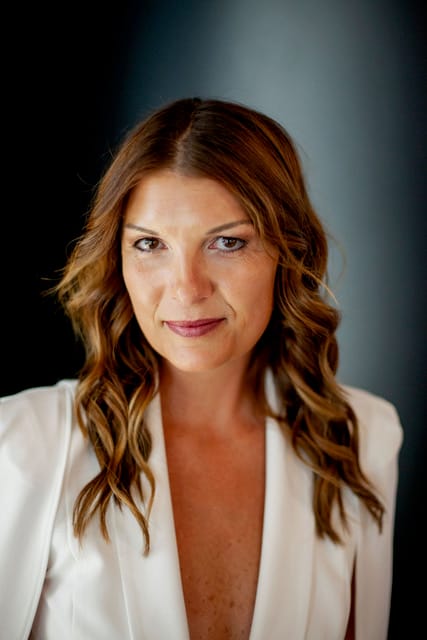
At Murry Hotel Advisory & Stewardship, Chief Experience Officer Mandy Murry works side by side with owners of underperforming or plateaued properties to turn good intentions into measurable progress. Her approach is owner-minded and deeply hands-on, focusing on revenue, operations and brand clarity. Here, she shares her insights on the three places hotels bleed time and trust and why friction always leaves “fingerprints.”
—Interview by Jennifer Glatt, edited by Bianca Prieto
If you had to explain your job to a curious kid, what would you tell them?
I help hotels feel better and run better. Think of me like a hotel detective and a stage director in one. I look for where people get confused, where teams get tired and where money leaks out in quiet little drips. Then I fix the story so the guest glides, the team breathes and the owner sleeps. Hotels do not need more hustle; they need more focus.
When you first step into a property, what tells you where to start? Are there specific moments, behaviors or friction points that immediately signal where efficiency and experience are breaking down?
I start at arrival, because arrival tells the truth. I watch the choreography from curb to key. I listen for the sighs. I count the steps, the clicks, the handoffs. If the front desk feels like a bureaucratic ritual, that is a revenue leak wearing a name tag. If staff apologize for basics, the system broke them, not the guest. I also watch what gets repeated: the same questions, the same bottlenecks, the same “one second” that turns into three minutes. Friction always leaves fingerprints.
Can you share a time when your instinct and the data told different stories—and which won out?
Data often tells you what happened. Instinct tells you why it happened. I walked into a property that looked “fine” on paper—solid occupancy, decent rates, nothing on fire. My gut disagreed the second I saw the team move. They looked busy but not effective, like runners on a treadmill. We traced the work, not the numbers—too many tools, too many workarounds, too many tiny tasks that stole hours. We simplified the process, tightened the handoffs and gave the team a single, clear way to win. Then the data came around and started telling the truth again.
What’s the most misleading metric operators rely on when trying to improve efficiency, and what should they be paying attention to instead?
Occupancy can be a vanity metric that eats your soul. So can “labor as a percent” when you treat it like a moral failing instead of a design problem.
I care about profit, yes, but I also care about effort. Measure time-to-serve. Measure time-to-fix. Measure how many steps it takes to deliver what you promised. Watch where guests work too hard and where staff work too hard. Efficiency lives inside that gap.
How can efficiency backfire? What does that cost the guest or the team?
Efficiency backfires when it becomes austerity cosplay. Cut too deep and you do not get lean, you get brittle. The guest pays in waiting, confusion and that cold little feeling that nobody is in charge. The team pays in burnout, shortcuts and the quiet resignation that shows up before the resignation letter. A hotel can run “tight” and still feel generous. That is the point. If the place stops feeling human, you did not optimize; you vandalized.
If you had 48 hours to improve a hotel, where would you start—people, process or technology?
People first. Always.
Not pep talks, clarity. Clear standards, clear priorities, clear ownership. Then process, because great people trapped in a bad process turn into tired people. I would fix arrival, fix housekeeping flow, and fix communication—the three places hotels bleed time and trust.
Technology comes last and only if it removes clicks, not adds them. Tech should support the experience, not audition for it.
Anything else you’d like to share?
Independent hotels do not lose because they lack effort. They lose because they lack consistency.
Owners do not need another playbook. They need execution that sticks after the consultant leaves. I work like an owner because I respect what ownership costs. Protect the soul of the place, then build the systems that let the soul show up every day.
Thanks for reading today's edition! You can reach the newsletter team at newsletter@mintpillow.co. We enjoy hearing from you.
Interested in advertising? Email us at newslettersales@mvfglobal.com
Mint Pillow is curated and written by Jennifer Glatt and edited by Bianca Prieto.